
Tree and Shrub Care, Colorado Springs
We trim, prune, and shape trees, hedges, and shrubs so your yard stays healthy and attractive all year.
What We Do for Your Trees, Hedges, and Shrubs
Trimming, Pruning, and Shaping Explained
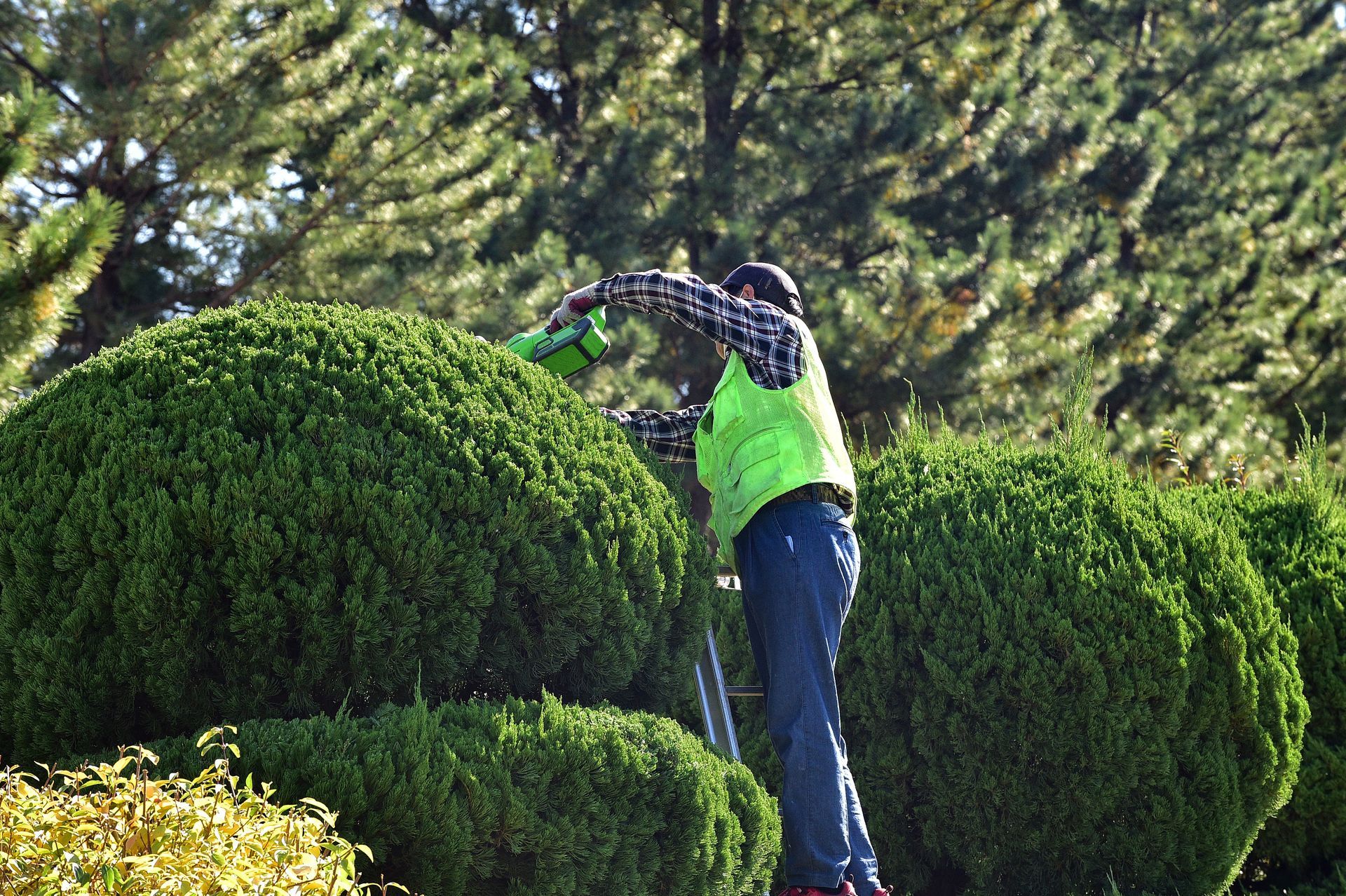
Trimming removes overgrowth to maintain a clean shape and defined outline, which matters most for hedges and formal shrubs. Pruning targets specific branches—dead, crossing, or diseased wood—to improve a plant's structure and long-term health. Shaping goes a step further, guiding a plant's growth habit over time through repeated seasonal attention. We bring all three to every job we take on.
Each of these tasks keeps your property looking cared for, helps plants hold their form between visits, and reduces the risk of damage from crossing branches or dead wood during wind events. Abundant Landscaping Service has been doing this work in Colorado Springs long enough to know what each species needs and when it needs it.
Native and Common Plants in Colorado Springs Yards
Colorado Springs sits at roughly 6,000 feet, which compresses growing seasons and sharpens freeze-thaw stress on woody plants. A blue spruce that tolerates trimming at lower elevations may suffer branch dieback at altitude if cut too late in autumn before the ground hardens. Austrian pine and Rocky Mountain juniper carry resin that slows healing -- late-season cuts on these species invite fungal entry over winter. We plan our timing around the calendar and the plant.
Lilacs in Colorado Springs typically bloom in May. Hard pruning immediately after flowering before the plant sets next year's buds keeps them compact and reliably blooming. Cutting at the wrong time removes the bud set for the following season. This is a common mistake. We know the timing for each species we work with, so the plant stays healthy between visits.
Ornamental and hedge species common across Colorado Springs neighborhoods, including viburnum, spreading cotoneaster, and native chokecherry, all respond differently to the cut. High-altitude UV intensity accelerates sap loss on fresh cuts, making clean-cut technique and right timing genuinely consequential, not just aesthetic. Abundant Landscaping Service applies species-specific judgment to every job we do.
Benefits of Regular Tree, Hedge & Shrub Care
Routine maintenance offers many advantages beyond improving your property's appearance. Proper trimming supports healthy plant growth while reducing future maintenance needs.
Benefits of our professional services include:
- Healthier trees, hedges, and shrubs
- Improved kerb appeal
- Controlled plant growth
- Better air circulation and sunlight exposure
- Removal of damaged or overgrown branches
- Enhanced property value
- Cleaner, more organised landscaping
- Reduced risk of plant disease
Consistent care helps your landscape stay healthy, balanced, and visually appealing during every season.
Answers to Common Tree and Shrub Care Questions
What is the best time of year to trim trees and shrubs in Colorado Springs?
Most deciduous trees and shrubs benefit from late-winter pruning -- February through early March -- before new growth begins. Flowering shrubs like lilac should be trimmed right after they bloom. Conifers such as blue spruce and Rocky Mountain juniper are best shaped in early spring before growth flushes. Timing at this altitude matters more than most people expect.
How do I know if my shrubs are being over-pruned?
Over-pruned shrubs show dieback at branch tips, weak leggy growth from the base, and reduced flowering the following season. If more than one-third of a plant's live growth is removed in a single visit, the plant is under stress. We work to a conservative standard on every job to keep your plants healthy between visits.
What is the difference between tree trimming and tree removal?
Trimming removes specific branches -- dead, crossing, or out-of-form growth -- while preserving the tree's structure and continued health. Removal takes the entire tree. Trimming is maintenance; removal is a last resort for trees that are dead, diseased beyond recovery, or structurally unsafe. We assess each tree individually before recommending any work.
Can tree roots or shrub growth damage my sprinkler system or fence line?
Yes. Roots from fast-growing species can displace drip heads and crack irrigation lines over time. Shrubs left unpruned along fence lines trap moisture against the wood, accelerating rot. Keeping growth managed near your fence and irrigation zones protects both investments and reduces repair costs down the line.
How often do trees and shrubs in Colorado Springs need professional attention?
Most ornamental shrubs benefit from one to two visits per year -- typically spring and late summer. Established trees may only need attention every two to three years unless storm damage, disease, or proximity to structures changes the timeline. We'll tell you honestly what each plant on your property actually needs.
Schedule a Tree and Shrub Assessment in Colorado Springs
Abundant Landscaping Service covers tree, hedge, and shrub work across Colorado Springs and the surrounding area. A call is the fastest way to get a straight answer on what your property needs. No sales pressure -- just an honest look at what's there.